Line Mom Review: A Minimalist Gem for Modern Embroidery
As a designer who spends more time staring at stitch maps than most people care to admit, I am always on the lookout for files that balance aesthetic appeal with technical reliability. When I first encountered Line Mom, my initial reaction was one of appreciation for its clean, linear approach. In a market saturated with overly complex, dense fills that often turn into thread nests on lower-quality machines, this design stands out by embracing simplicity. It feels less like a generic clipart graphic and more like a thoughtful piece of modern art ready to be translated into thread.
The mood created by Line Mom is warm yet contemporary. It avoids the cloying sweetness often found in maternal-themed graphics, opting instead for a sophisticated silhouette that speaks to the modern parent. For embroidery designers and small business owners, this distinction is crucial. We are not just stitching images; we are creating brand assets and heirlooms. The visual personality of this file suggests it belongs on high-end boutique items rather than mass-produced discount bin goods. It carries a quiet confidence that elevates the perceived value of any handmade product it adorns.
Putting Line Mom to the Test: A Real-World Scenario
To truly evaluate an embroidery file, you have to move beyond the screen and imagine it on fabric. I recently visualized using Line Mom for a custom order involving a set of organic cotton tote bags for a local baby shower. The client wanted something gender-neutral and stylish, avoiding the typical pastel overload. Line Mom was the perfect candidate. Because the design relies on line work rather than heavy saturation, it pairs beautifully with the natural texture of canvas or linen.
In this scenario, the design would likely be executed using a combination of running stitch for the outlines and perhaps a very light fill stitch if any solid areas needed definition, though the beauty here lies in the negative space. On a tote bag design, this approach ensures the fabric remains flexible and drapes correctly. A heavy, dense design would make the bag stiff and uncomfortable to carry, but Line Mom maintains the integrity of the material. For an Etsy seller, this translates to a product that looks professional in photos and feels premium in the hand, directly influencing customer trust and repeat business.
Beyond totes, I can see this working exceptionally well as sweatshirt embroidery. Imagine a heather grey crewneck with the design stitched in white or a soft sage green on the left chest. The scale is intimate, making it a subtle nod to motherhood rather than a billboard statement. This versatility makes it a strong contender for custom apparel lines where the goal is wearability and style longevity.
Technical Considerations for the Working Designer
While the aesthetic is undeniable, a professional review must address the technical execution. Since Line Mom is provided as a vector-based asset (SVG, AI, EPS) alongside raster formats, it offers flexibility, but it also places the responsibility of digitization or conversion on the user if you are moving from cut files to stitch files. If you are using this as a reference for manual digitizing or converting it via software, pay close attention to stitch density.
Linear designs can be tricky. If the lines are too thin, they may disappear on textured fabrics like terry cloth or French towel material. Conversely, if the lines are too wide without proper underlay, they can look flat and lifeless. When preparing this for a machine embroidery design workflow, I recommend testing the stroke width on scrap fabric first. You want to ensure that the thread colors you choose provide enough contrast against the background. A dark thread on a dark fabric might look chic in a mockup but vanish entirely once stitched.
There are specific situations where Line Mom requires careful handling. If you plan to use this on stretchy fabrics like jersey knits for baby embroidery, stabilization is non-negotiable. Linear designs can distort easily if the fabric shifts during stitching. Using a high-quality cut-away stabilizer is advisable to maintain the crispness of the lines after the garment is washed. Additionally, be mindful of hoop size limitations. While the design is scalable, shrinking it too much for a small cap or a tiny pocket might cause the lines to merge, losing the definition that makes the design special.
Commercial Viability and Brand Consistency
For those running a craft business, the commercial potential of Line Mom is significant. Its minimalist nature fits perfectly with current interior design trends, making it suitable for nursery decor, pillow covers, and wall hangings. It serves as an excellent design asset for creating cohesive collections. For instance, you could offer a matching set of items—a tee for mom, a onesie for baby, and a tote for diapers—all featuring variations of this theme. This kind of bundling increases average order value and strengthens brand recognition.
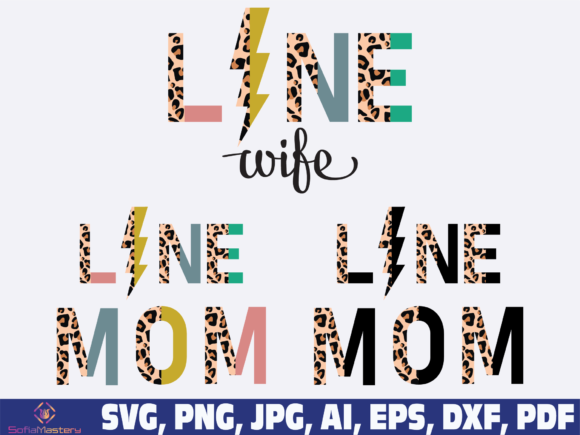
However, before listing finished items or digital derivatives, you must verify the licensing terms included in the download. The package includes SVG, DXF, PNG, PDF, AI, JPG, and EPS formats, which is robust for both cutting machines and print applications. Yet, the transition from a cut file to a stitched finished product for resale often has specific stipulations. Always confirm whether the license allows for unlimited physical sales or if there are caps on production numbers. Protecting your small shop product line starts with respecting intellectual property rights.
Final Verdict and Practical Tips
Line Mom is a standout choice for designers who value clarity and modern style. It bridges the gap between a simple graphic and a meaningful emblem. To get the best results, consider these practical steps before starting your next project:
- Test on Scraps: Always stitch a sample on the exact fabric type you intend to sell. What looks good on cotton might behave differently on fleece.
- Check Contrast: View your design in black and white mockups to ensure the lines hold up without relying on color differentiation.
- Stabilizer Selection: Match your stabilizer to the fabric weight. Heavy fabrics need less support; light, stretchy fabrics need more.
- Thread Quality: Use high-sheen rayon or polyester threads to give the simple lines a luxurious finish that justifies a higher price point.
- Wash Testing: Since many of these items (like tea towels or baby clothes) will be washed frequently, ensure the stitches do not pucker or fray after multiple cycles.
In the world of commercial embroidery and handmade goods, details matter. Line Mom offers a refined option that respects the intelligence of the viewer and the skill of the maker. Whether you are creating a personalized gift for a friend or expanding your Etsy listings with a new collection, this design provides a solid foundation for high-quality work. It reminds us that sometimes, less really is more, provided that "less" is executed with precision and care.